
Ultimate Selection Of Concrete Leveling Products
Find the most effective products that simplify the concrete leveling process and deliver long-lasting, flawless finishes.
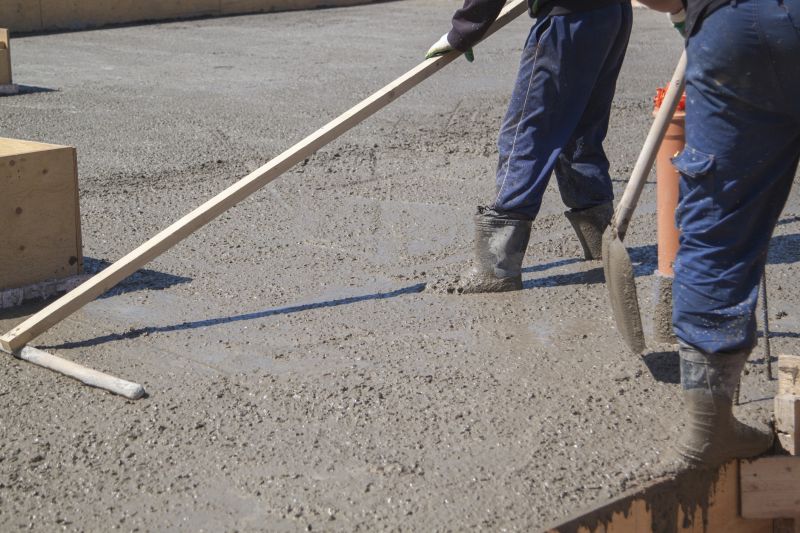 Concrete leveling products are essential tools and materials used to address uneven or sunken concrete surfaces, which can develop over time due to soil settlement, erosion, or other ground movement. These products offer a range of solutions from simple patching compounds to advanced self-leveling formulations, helping to restore the safety and functionality of driveways, patios, sidewalks, and floors. When selecting a leveling product, it's important to consider the specific type of surface, the extent of unevenness, and the desired longevity of the fix.
Top Overall Option
Self-Leveling Concrete Compound
A versatile self-leveling concrete compound offers an easy-to-apply solution for smoothing uneven surfaces. It flows into cracks and low spots, creating a level and durable surface suitable for various applications. Ideal for both DIY enthusiasts and professionals, this product provides a reliable option for addressing minor to moderate concrete unevenness with minimal prep work.
Types of Products For Concrete Levelings
Self-Leveling Concrete Pours
Pre-mixed or powder-based solutions that flow into low areas for a smooth finish.
Polyurethane Foam Injectors
Expandable foams used to lift and stabilize sunken slabs with minimal disruption.
Concrete Patching Compounds
Materials designed to fill cracks and minor surface imperfections.
Hydraulic Cement Mixes
Fast-setting products used for repairing and leveling damaged concrete surfaces.
Epoxy Resin Repairs
Strong adhesives for bonding and filling cracks, offering structural support.
Rapid Set Repair Mortars
Quick-curing mortars suitable for patching and leveling applications.
Flexible Concrete Sealants
Elastomeric sealants for surface cracks and small voids.
Underlayment Slabs
Pre-fabricated leveling slabs for larger surface corrections.
Liquid Cementitious Coatings
Thin overlays that help level and protect concrete surfaces.
Polymer Modified Concrete
Enhanced mixes that improve adhesion and flexibility.
Popular Choices
Widely used for smoothing floors and preparing surfaces for finishing.
Commonly chosen for lifting sunken slabs with minimal excavation.
Popular for sealing and repairing surface cracks efficiently.
Favored for quick repairs and surface leveling in high-traffic areas.
Trusted for structural repairs and void filling.
Preferred for durable, long-lasting crack repairs.
Chosen for small joint and crack sealing.
Popular for surface leveling and protection.
Convenient for quick surface corrections.
Commonly used for interior flooring preparations.
Many concrete leveling products are designed for DIY use, providing a convenient way to correct minor to moderate surface issues without extensive demolition or replacement. These products often include self-leveling compounds that flow into cracks and low spots, creating a smooth, even surface. For larger or more complex projects, professional-grade products may be necessary, offering enhanced durability and adhesion. Proper application techniques, surface preparation, and curing times are critical factors in achieving a successful and lasting result.
In addition to traditional compounds, there are specialized products such as polyurethane foam injections, which are minimally invasive and suitable for lifting sunken slabs. These foams expand to fill voids beneath the concrete and can be used in residential and commercial settings alike. Understanding the different types of leveling products and their appropriate applications can help homeowners and contractors make informed decisions, ensuring safety and performance over time.
Ultimately, choosing the right concrete leveling product depends on the specific needs of your project, budget considerations, and the level of expertise available. Consulting with professionals or thoroughly researching product specifications can lead to better outcomes and longer-lasting repairs. Whether addressing minor imperfections or major unevenness, there are a variety of solutions tailored to different scenarios and preferences.
Key Buying Considerations
- Determine the extent of unevenness or damage to select the appropriate product type.
- Consider the surface area to be repaired for choosing quantities and application methods.
- Check compatibility with existing concrete or other materials involved.
- Evaluate curing time requirements to fit project timelines.
- Assess the ease of application based on your skill level and available tools.
- Look for products with strong adhesion properties for long-lasting results.
- Consider whether the product is suitable for interior or exterior use.
- Review the product’s flexibility and expansion capabilities for crack bridging.
- Verify if the product is suitable for load-bearing or structural repairs if needed.
- Examine the environmental conditions during application, such as moisture levels.
- Ensure proper surface preparation to maximize bonding and effectiveness.
- Check for any special safety or handling instructions.
- Compare product formulations to match the specific needs of your project.
- Review user feedback and ratings for insights into real-world performance.
- Factor in budget considerations while balancing quality and longevity.